

Refugees
Canada provides refugee protection to individuals who are facing persecution in their home country or in the country where they normally reside. Protection is also available to those who would be at risk of serious harm if they were forced to return.
Foreign nationals who fear persecution due to war, violence, or human rights violations can seek protection in Canada. Individuals who are recognized as refugees are allowed to remain in Canada and may later apply for permanent residence and eventually citizenship.
A refugee claim can be made upon arrival in Canada through air, land, or sea. However, people cannot apply directly for resettlement; cases are processed over time through official channels, and many refugees are also supported through private sponsorship programs.
Government-assisted refugees may receive financial support through the Resettlement Assistance Program (RAP), usually for up to one year, if they do not have sufficient personal financial resources.
Types of Refugee Support
Refugee applications may include:
- Government-sponsored refugees
- Privately sponsored refugees
- Dependants of refugees
Individuals whose claims are rejected, withdrawn, or abandoned may, in some cases, apply for a Pre-Removal Risk Assessment (PRRA) to explain the risks they would face if returned to their country.
It is strongly recommended that applicants seek support from a qualified legal professional or authorized immigration consultant during the refugee process.
i. Refugee Protection System
Canada’s refugee system is governed by immigration law and includes two main programs:
- Refugee and Humanitarian Resettlement Program (for applicants outside Canada)
- In-Canada Asylum Program (for claims made within Canada)
Common reasons people seek refugee protection include:
- Religious, racial, social, national, or political persecution
- War and armed conflict
- Gender-based or sexual orientation-based violence
- Hunger and extreme poverty conditions
- Climate-related displacement
ii. Refugee Application Process
When a refugee claim is made, Immigration authorities first determine whether it can be referred to the Immigration and Refugee Board of Canada (IRB), which is an independent body responsible for deciding refugee cases.
Immigration, Refugees and Citizenship Canada (IRCC) evaluates eligibility before forwarding cases to the IRB.
Ineligible Refugee Claims
A claim may not be referred to the IRB if the applicant:
- Has protection status in another safe country
- Has already been granted protected person status in Canada
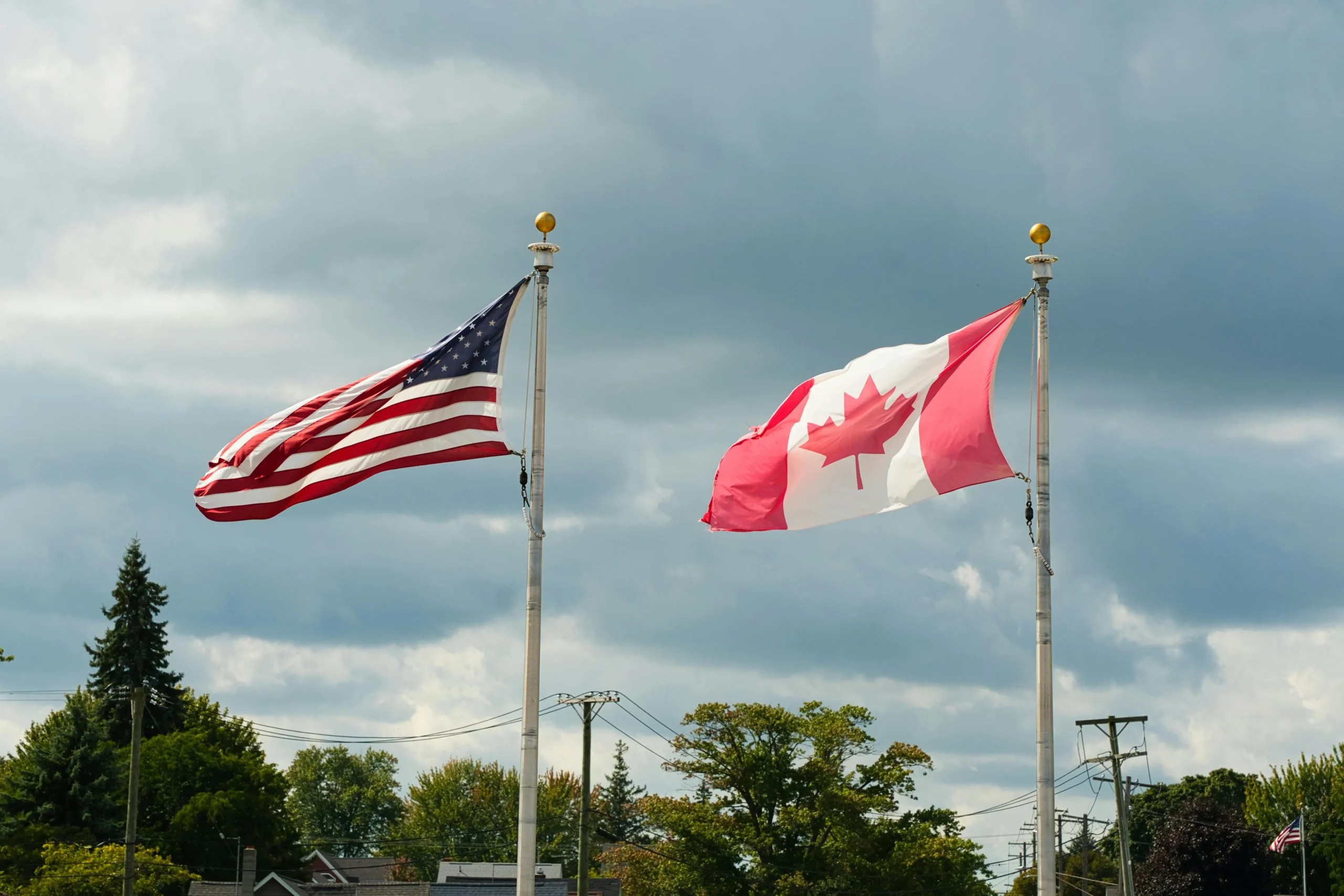
- Arrived via the Canada–United States border (Safe Third Country Agreement rules)
- Has made a previous rejected, withdrawn, or abandoned claim
- Is inadmissible due to security, criminal activity, or human rights violations
Under the Safe Third Country Agreement, individuals entering Canada from the United States at land borders are generally required to seek asylum in the first safe country of arrival, meaning they may be returned to the U.S.
Legal Support Recommendation
Due to the complexity of refugee cases, it is highly advisable for applicants to seek assistance from a certified Canadian immigration lawyer or authorized consultant to ensure proper representation and documentation throughout the process.
Get In Touch
Have questions about immigration? Our experts are here to guide you every step of the way.
Our Office
214 King ave,Bathurst NB E2A 1P2
Take the First Step Toward Your Future Abroad
Our experienced consultants are here to guide you at every stage of your immigration process with complete support.